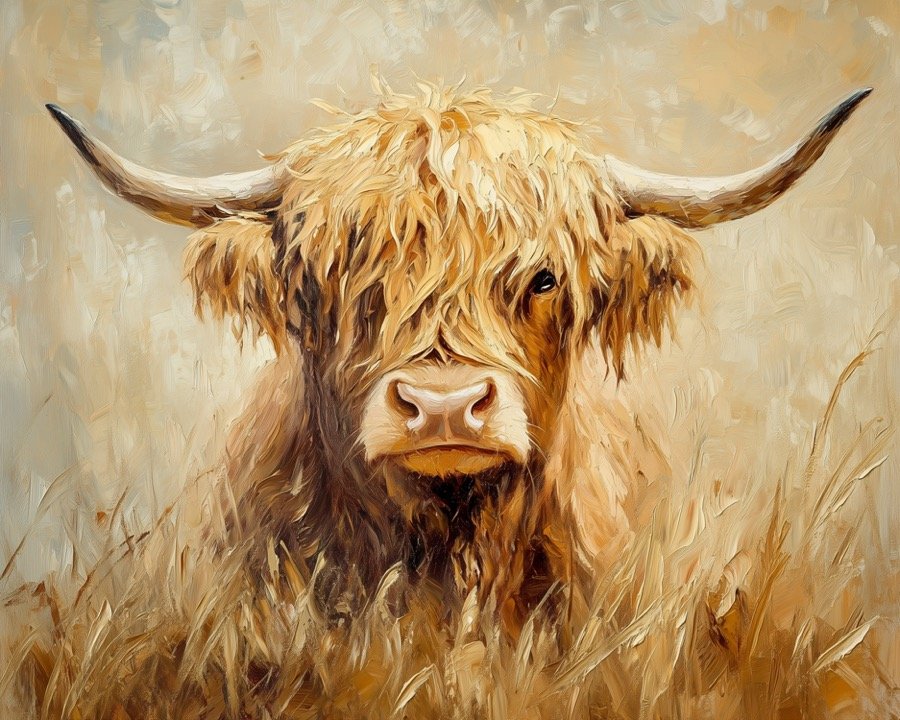
A gallery wall is the most personal form of home decoration — a curated collection that tells your story, reflects your taste, and transforms a plain wall into a living piece of art. Digital prints make gallery walls more affordable and flexible than ever. Here's how to do it properly.
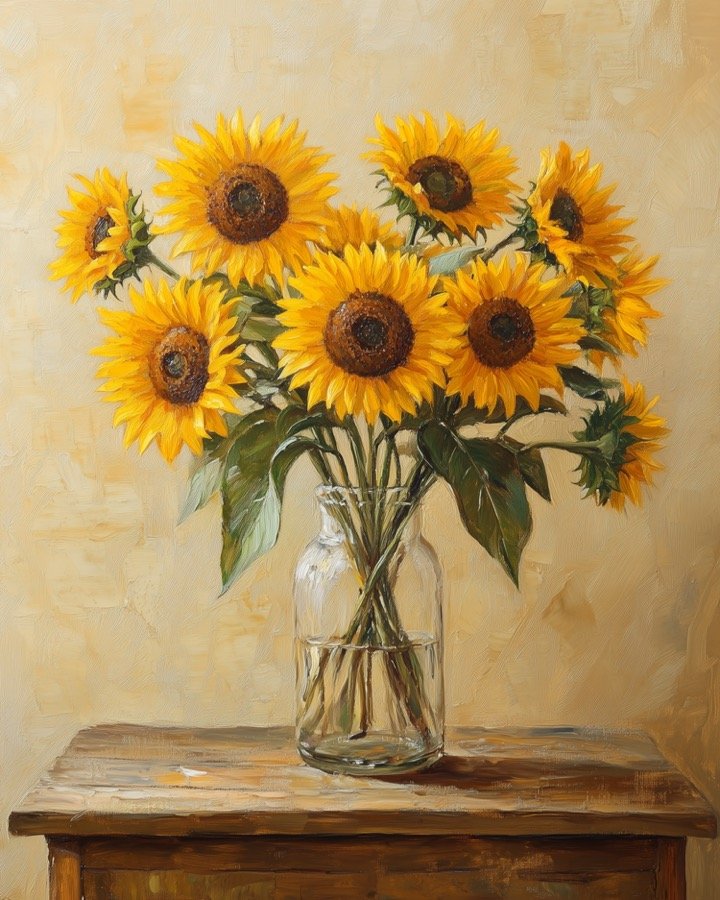
From the shop
Sunflowers Bouquet — Gallery Wall Anchor
Shop this print on Etsy →Planning Your Gallery Wall Layout
Before buying a single frame, plan on paper (or digitally). The most common gallery wall mistakes happen when people start hanging without a plan.
Step 1: Measure Your Wall
Write down the width and height of the wall space. If hanging above furniture, measure from the top of the furniture to the ceiling — you'll use roughly two-thirds of this height for your art grouping.
Step 2: Choose a Layout Style
There are five main gallery wall layouts:
- Grid: Identical frames in perfect rows and columns. Clean, modern, satisfying.
- Salon-style: Mixed sizes arranged organically. Maximalist and layered.
- Row: A single horizontal line of frames. Great for hallways and above sofas.
- Column: A vertical stack. Works in narrow spaces like between windows.
- Asymmetric cluster: A loose grouping with one anchor piece. Relaxed and contemporary.
Step 3: Mock It Up on the Floor
Lay all your frames on the floor in the arrangement you're considering. Take a photo from above. This is the cheapest way to try different configurations before you put a single nail in the wall.
Choosing Prints That Work Together
The secret to a gallery wall that looks curated rather than random is a connecting thread. You need at least one thing in common across all pieces:
- Colour: Every print shares a common colour (even just one tone)
- Style: All botanical, all portraits, all landscapes
- Palette: All warm tones, or all cool blues and greens
- Frame: All black frames, or all natural wood
- Theme: All faith-based, all floral, all vintage
You can mix styles if the colour palette is consistent. Dark greens and golds work across botanical prints, horse portraits, and vintage golf art — that's exactly how we design our collections.

From the shop
Christian Wall Art — Gallery Wall Anchor
Shop this print on Etsy →Gallery Wall Spacing Rules
Spacing makes or breaks a gallery wall. Too much space and the grouping falls apart. Too little and it looks cramped.
- Standard spacing between frames: 5–8cm
- Spacing for an intentionally tight grid: 2–3cm
- Spacing for a loose, airy arrangement: 10–15cm
Whatever spacing you choose, keep it consistent across the entire arrangement.
Mixing Frame Sizes
The most visually interesting gallery walls mix at least two different frame sizes. A common recipe:
- One large anchor piece (A2 or larger)
- Two to four medium pieces (A3 or A4)
- Two to three small pieces (A5 or 20×20cm squares)
Position the large anchor piece slightly off-centre in the arrangement, then build around it. Use our Size Guide to figure out what sizes to order.

From the shop
Golf Wall Art — Statement Piece for Any Room
Shop this print on Etsy →Digital Prints for Gallery Walls: Practical Tips
Digital prints are ideal for gallery walls because:
- You can print the same design at multiple sizes (one file, different prints)
- You can reprint if you damage one frame
- You can replace individual pieces as your taste evolves
- You can start with three pieces and expand over time
Download your files, choose a print size, and try our Colour Palette Tool to build a cohesive palette before you order.

From the shop
Nursery Wall Art — Perfect for Small Walls
Shop this print on Etsy →Build Your Gallery Wall
Browse 300+ Curated Digital Prints
Christian art, botanicals, nursery art, golf prints, and more — all instant download, 300 DPI.
Shop on Etsy →